All posts in Blog

Olive Oil, Garlic and Probiotics…Highlights from This Year’s Nutrition and Health Conference

I’m just returning home after having the opportunity to attend one of the most well-known natural health conferences in the country.  The Nutrition and Health Conference is tailored to the conventional medical community and acts as a source for health professionals to hear where research is trending in the natural health and nutrition space.  With approximately 700 attendees (that’s big) this year, it’s a sign that natural health and nutrition is gaining the recognition and credibility it so rightly deserves in our health care system.  The primary organizer, Dr. Andrew Weil, is one of the most-recognized natural health leaders in our country and certainly within the conventional medical community.

I’ve attended the conference for the past few years and use the content as a way to get a sense of what natural health information is hitting the radar of the conventional medical community.  As a specialist in natural health, my visibility to research in this area tends to trend ahead of conventional health providers, so I use the conference as a way to gauge where to meet MDs and conventional RDs in the natural health spectrum for the purposes of information sharing and educating their patients and broader public.

I always walk away from medical conferences feeling like my head is overflowing with information and this conference was no exception.  Some of the information in my notes stood out as relatively simple yet profound in its ability to promote healthy behaviors or expand awareness about nutrition, health and our connection to nature and the planet.  As a result, I’ve created a “top 10” list of sorts.  Hope you find something interesting from the below as I did…

  • A compound unique to olive oil, oleocanthal, has anti-inflammatory activity in the body.  Just one more reason why olive oil is a great option for cooking.  Liberal use (up to ¼ cup per serving) is correlated to improved overall health in some European communities.
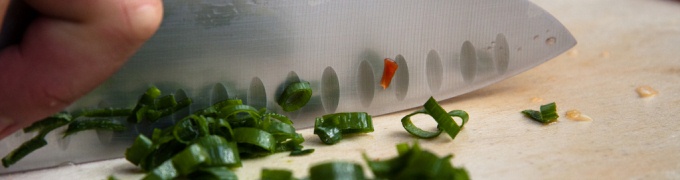
  • The enzyme that activates a powerful compound called allicin in garlic is heat-sensitive.  An established body of research suggests allicin may improve cardiovascular health and also demonstrates anti-inflammatory and anti-bacterial/viral activity.  To get around the heat-sensitivity issue, chop fresh garlic and let it sit away from heat for ten minutes before adding it to your stir-fry or other dish.
  • Maybe you’ve heard of combining foods to create a complete vegetarian protein (e.g. beans and rice)?  Well, research now suggests that creating a complete protein at every meal isn’t necessary.  Our bodies have the ability to collect amino acids (the building blocks of protein) from foods throughout the day, so as long as you’re eating a diverse mix of plants, the body can put them together to make sure you’re getting sufficient levels of protein.
  • As a society we tend to get focused on a single nutrient or quality in a food.  Keep in mind that eating a wide range of fruits and vegetables is the most important thing so don’t let yourself get paralyzed by the details.
  • Numerous reasons to consider the benefits of using a high-quality probiotic as a way to influence the type and level of bacteria in the digestive tract:
    • Studies show that antibiotics not only eliminate the presence of healthy bacteria in the digestive tract in the short-term but that repeated use of antibiotics may block the ability of healthy bacteria to return to previous levels, increasing the risk for bad bacteria (e.g. clostridium difficile and others) to take hold.
    • The type of bacteria populating our digestive tracts impacts our bodies’ response to everything from vaccines, allergies and risk for autoimmune disease.
    • The development of obesity and the ability to reverse obesity also seems to be correlated to the type of bacteria populating the digestive tract.
  • Bibliotherapy – A term I heard for the first time at this conference, referring to prescribing books as a treatment for patients.  I love this as it sounds like a naturopathic principle I am very passionate about; doctor as teacher.
  • A book, The China Study.  I haven’t had a chance to read it yet, but had it recommended to me multiple times during the conference and was told that it will open your eyes in a whole new way to links between consumption of animal products and the presence of chronic disease.
  • And finally, a statistic to share how much further we need to come before the role of food as medicine is truly acknowledged.  In 2009, the average medical student in our country received only 19 hours of nutrition education throughout their entire medical training.  Naturopathic medical students easily receive over 100 hours.

Like this post?

Image from Nutrition & Health Conference

Colorado Set to Become 17th State to Recognize NDs as Primary Care Physicians

A major win for the naturopathic medical community is primed to take place when Colorado becomes the 17th state to regulate naturopathic medicine as a primary care option for its residents.  Mostly limited to the coastal states currently, licensure in Colorado is a promising sign of the growing awareness and acceptance of naturopathic medicine as an important and legitimate aspect of healthcare in our country.

As a California-based naturopathic doctor since 2005 (California has recognized NDs as primary care doctors since 2004), I support a vision where NDs act as the modern-day family physician.  As experts in prevention, lifestyle changes, food as medicine and other low-force interventions, we are a logical choice to be a first stop for diagnosis, health treatment and information.  In this role, we allow conventional doctors (MDs and DOs) to focus in specializations and higher-force interventions, a role in which the conventional medical community excels and has a structure and network to support.

Working together in this way, NDs and MDs create a spectrum of care that reduces medical costs, complications and perhaps most importantly, empowers patients to take control over their health with a greater understanding of how to treat and optimally prevent disease.

You can learn more about naturopathic medicine here and here.

Like this post?

Image by Naturopathic Doctor News and Review

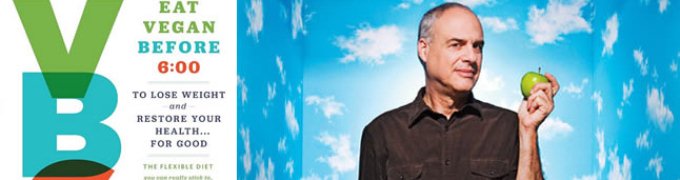
Breaking the SAD Cycle: Mark Bittman’s VB6 (Vegan Before 6:00) Diet Plan

I’m a Bittman fan all the way, but I admit my first reaction to the concept of this book was skepticism.  In my experience working with patients, some of the worst nutrition decisions tend to be made at dinner (after 6pm).  Could being vegan until 6pm and then opening the flood gates to whatever you want to eat really be a good approach?  However, with more thought I became curious (plus I heard there were recipes in the book and Mark Bittman always has great recipes) so I bought a copy.

My curiosity grew as soon as I began reading.  It’s ironic to me that the foreword to this book was written by Dean Ornish, MD.  After all, Dr. Ornish is the doctor whose philosophy when I began reading his literature in the mid-90s was that drastic diet and lifestyle change were the best (and really only) approach to successful outcomes in the long run.  Little changes didn’t provide results quickly enough to maintain a patient’s motivation.  This logic stuck with me through my med school days as I worked with patients and saw firsthand what worked and what didn’t.  Ultimately, I netted out that people are individuals and for some small changes are all that’s possible, for others, jumping in with both feet does the trick.  It seems Dr. Ornish has come back to center as well as he states,

If you eat vegan before dinner and indulge yourself afterward, you’re likely to notice great improvements in your health and wellbeing without feeling deprived.  As you start to feel better and notice how much healthier you are, you’re likely to find yourself in a virtuous cycle in which you may want to do even more.

This book is really a description of Bittman’s personal journey to find the bridge between health and his love of eating.  It’s just the right balance of science, personal testimony and practical DIY tips.  As a doctor whose primary tool is food, I appreciate the time Bittman takes in this book to walk the reader through how we (collectively as a society) have gotten to this place of high-calorie, processed food that is largely absent of nutrition.  Bittman’s description of the Standard American Diet (which he dubs “SAD” through most of the book),

…food that either contains no nutritious value whatsoever—like soda—or foods that are loaded with chemicals and so highly processed that even though they might contain some nutritional value, they bear little resemblance to their origins.

He provides the reader with a 28-day plan to get started and (thankfully for those of us who have all but given up hope of ever having time to cook on a regular basis) he provides a list of “wildcards” (page 120), super quick vegan meals that can either be quickly thrown together at home or found on the go in a restaurant or even in a pinch at a friend’s wedding reception.

To be a healthy vegan, a diverse mix of whole nuts, seeds, grains, vegetables and fruits is essential.  Eating in this way quickly breaks down the confines of the Standard American Diet and provides a crash course in nutrition 101 as a result.  If you’re looking for a way to engage with the power of food as medicine but are not sure you’re ready to swear off your go-to comfort foods, this book is an approachable guide told through a voice that’s done it and is living the benefits eating vegan before 6:00 can provide.

Like this post?

Image by MarkBittman.com

Calcium May Not be Key to Child Bone Health

You don’t have to be a parent to get the message that consuming sufficient calcium is important for bone health.  But if you are a parent, messages about calcium, and specifically calcium from dairy, is practically beat over your head from the moment solid food is introduced.  As a doctor, I understand calcium and the role it plays, but I also recognize that calcium isn’t the only nutrient that’s important to growing strong bones, and as a naturopath, I’ve always been bothered by dairy as a seemingly singular source for this mineral.  Dark leafy greens also happen to be an excellent source of calcium and may even provide this nutrient in a more bioavailable form.

So, I was refreshed to see a press release this week by the American Academy of Pediatrics that new research suggests magnesium may be as important to kids’ bone health as calcium.  From the lead researcher,

Calcium is important, but, except for those children and adolescents with very low intakes, may not be more important than magnesium.

The press release also goes on to recommend parents encourage their children to consume magnesium-rich foods such as salmon and almonds (other excellent sources of magnesium include pumpkin seeds, spinach, chard and soybeans).

As it relates to dairy, and milk specifically, my children’s pediatrician helped put the role of this food group into a context that works in my naturopathic mommy mind…while dairy may not be the only or best source of calcium, it happens to also be a super calorie-dense drink/snack.  If you also have kids that are growing like weeds, supplying calories in any way, shape or form is essential.  For that reason, even more than because of the calcium, I serve dairy to my kids every day.

Bottom line, the key to health is very rarely one-dimensional.  It makes sense that calcium isn’t the only nutrient to keep in mind when it comes to growing healthy bones.  Protein, a broad spectrum of minerals from whole foods, regular exercise, sunshine and of course love are all equally important elements to growing strong, healthy, happy kids.

Like this post?

Image by Anastacia Haddon

Seven Secret Superfoods

Okay, so these superfoods aren’t really a secret, but there’s a good chance you haven’t heard about them before.  Just because they may not be getting the press that kale, quinoa and acai are getting these days, the following list of food are definitely worth a try…I mean how can you resist the appeal of an umeboshi plum?!

Before we get to the list, however, I want to define what I mean by “superfood”.  The term isn’t regulated and doesn’t have a hard and fast definition.  To me,

A superfood is any food that has a relatively greater amount of health promoting compounds compared to similar types of foods.

With that out of way, check out the following list of seven secret superfoods:

Fennel seeds – Native to the Mediterranean, these seeds have an emerging body of research demonstrating positive benefit for a range of digestive conditions.  Try chewing a small handful of dried fennel seeds after a big meal to help support digestion…they taste like mild black licorice.

Curry powder – A major component of this spice blend is a bright yellow compound called curcumin that comes from the root of the turmeric plant.  Commonly found in traditional Indian cuisine, this compound shows promise for a range of health benefits, probably due to the antioxidant and anti-inflammatory compounds it contains.

Umeboshi plums – A dried and pickled Japanese plum, this fruit is traditionally used to support liver and digestive health.  A little bit goes a long way, just a quarter of one fruit can be sliced and added to rice or even hot tea.  An added bonus of this pickled plum is that it provides the magical “fifth taste”, umami, a flavor most-commonly found in protein-rich animal foods so it can be a great ingredient addition for vegans looking to expand the flavor range of their meals.

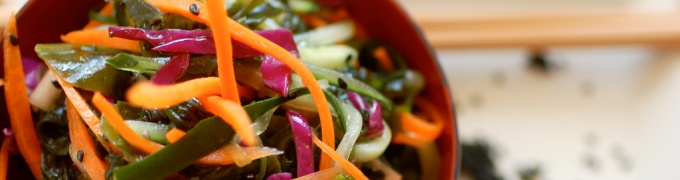
Sea vegetables – A big category of edible plants, a common type of sea vegetable is seaweed, a type of algae that grows on or near the sea floor.  Along with other minerals, many types of seaweed contain iron and vitamin C.  Because vitamin C improves the body’s ability to absorb iron, foods that contain both help to make the iron more bio-available to the body.  In addition to vitamins and minerals, research is uncovering a range of antioxidant and anti-inflammatory compounds in sea vegetables.

Black garlic – This is the same form as plain garlic, but it’s been fermented at high temperature.  The result is a sweeter, milder tasting garlic that can be used in all the same ways as traditional garlic or simply spread on a slice of bread and eaten plain.  Garlic has a strong and established body of research for a host of health conditions, but some of the strongest research is for its cardiovascular benefits, specifically to help manage high cholesterol and blood pressure.

Hemp seeds – Although the seeds come from the same plant that produces marijuana, the effect and benefits of hemp seeds couldn’t be more disconnected from the drug.  The seeds contain a mix of amino acids, fiber, protein, vitamin E and essential fatty acids.  Due to their mild flavor, they can be added to almost anything, from a smoothie to a salad or oatmeal.

Maca powder – A plant native to South America, this root has been cultivated for more than 2000 years and is prepared in many different ways – baked, roasted, even fermented as a drink.  Known as an “adaptogen”, this plant is traditionally recognized and has a small body of modern research suggesting its benefit in supporting feelings of energy and hormonal balance.

Like this post?

Image by sweetbeetandgreenbean

Your Seasonal Guide to Food as Medicine: May Produce

The arrival of May means that no matter where you live, warm days are finally beginning to outnumber cold, daylight is beginning to stretch into the evening hours, and Pinterest boards are likely filling with recipes for barbeques, tasty salads, and Sun Tea.

In the plant world, spring is a time for new growth. Flowers introduce sweet berries, and delicate green shoots grow into edible leaves for salads and sautés. I love this time of year, and as a naturopathic doctor, I especially love the healing properties of fruits and vegetables that are seasonal in May. Here’s my sample guide to what’s in season this month and how each edible plant acts as medicine in the body:

Dandelion leaves – You may be thinking, “Wait, this is a weed not a food, right?” Actually, young dandelion leaves are an edible, slightly bitter addition to any spring salad or sauté and contain a compound, aesculin, which supports the tone of our vessels and can help with issues like swelling, puffiness and poor circulation.

Fava beans – Like large sweet peas, fava beans can be found in pods and are a beautiful rich green color. They are a substantial addition to any recipe and a great vegetarian/vegan option. In addition to providing a spectrum of vitamins and minerals (thiamin, folate, calcium, magnesium and zinc to name just a few), these beans are an excellent source of fiber. That means that in addition to filling you up, they also help to clean you out!

Mint leaves – Plants in the mint family (peppermint and spearmint are two common examples) contain menthol, a compound that provides the cooling quality these leaves are known for. Used in a tea or even rubbed on the skin, mint is used to calm digestion and may be soothing when fresh leaves are crushed and applied to insect bites or itchy skin.

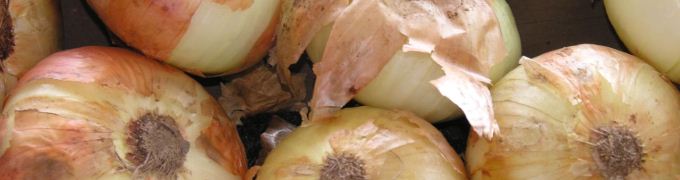
Onions, sweet Vidalia – As medicine, onions are most commonly thought of for their sulfur-containing compounds that have been researched for a range of actions in the body from supporting liver function to inhibiting cancer growth. I love the sweet, mildly spicy flavor of these beautiful onions…a great addition to a vinegar-based potato salad.

Oregano leaves – A staple in most spice racks, dried oregano leaves are a common addition to all kinds of recipes. When in season, fresh leaves can be used to provide a spicy and beautiful pop of flavor and color. Oil of oregano provides a broad spectrum of anti-bacterial, viral and fungal activity and can even be found in some natural insect-repellent recipes.

Like this post?

Image by Old Shoe Woman

Natural Remedies to Beat Spring Colds and Flu

Just when you think you’ve successfully made it through cold and flu season without getting sick, you get hit with a virus.  Congestion, headache, cough, fatigue.  Yuck!  Although fall and winter months tend to be the most common times for cold and flu infections, we’re never truly immune to catching these irritating viruses.

As a naturopathic doctor, my aim with any treatment plan is to find an optimal balance of therapies to provide symptom relief and enhance the body’s innate immune function.  Here are some of my tried and true tools for colds and flu:

Sleep – Not sexy advice perhaps, but considering that your body does the majority of its healing as you sleep, prioritizing this activity when you’re feeling sick is incredibly important.  If napping isn’t an option, then get to bed early, aiming for at least eight hours of sleep per night.

Herbal teas – Many herbal teas contain a range of helpful compounds that can both support your immune system and help take the edge off of your symptoms.  Organic, single ingredient teas are best to maximize these benefits.  Some examples of teas I like for colds and flu:

  • Green tea – Although the mechanism behind how antioxidants support immune function is not completely established, they do seem to play an important supporting role and green tea is packed with antioxidants known as catechins.  Green tea also contains a mild form of caffeine which can help clear the brain fog common with colds/flu.
  • Mint tea – Full of volatile oils, when mint leaves are added to hot water these oils are released into the steam and become a gentle way to relieve sinus congestion (just breathe deeply over your steaming cup).  The same oil compounds also possess anti-viral activity, so this tea serves a dual benefit.

Netti Pot – These porcelain genie-in-a-bottle shaped pots may seem strange, but they can be a powerful tool to deliver medicine directly to congested, inflamed sinus tissue.  Here’s a link to a video demonstrating how to use a netti pot.  If you’re experiencing sinus congestion, try mixing two cups of lukewarm Goldenseal tea (Hydrastis canadensis) with 1 teaspoon sea salt.  The salt is anti-microbial and helps to decrease congestion and the Goldenseal is a full-spectrum anti-microbial herb with astringing properties to support immune function and tighten tissues. (Tip: The closer the temperature of the water is to the temperature inside your nose the more comfortable the treatment will be.)

Contrast hydrotherapy shower – Just like the heart pumps to move blood through our bodies, we can use contrasting hot and cold water to cause the vessels near the surface of our skin to expand and contract as well.  This technique further supports the action of the heart to move damaged cells and inflammation into the lymph system and out of the body and bring fresh blood with oxygen, nutrients and virus-fighting immune cells into our tissues.  Here’s how it works:

  • At the end of your shower, rapidly turn the water temperature down (it should be cold enough to take your breath away)
  • Slowly rotate your body under the flow of water to directly expose all of your skin to the cold temperature.  Lift each arm to expose the skin on either side of your chest and submerge your head as well.  Complete this process slowly over the course of 1-2 minutes.
  • Return the water to hot and repeat the process of exposing all of your skin to the water, again taking 1-2 minutes to complete the process
  • Repeat the hot and cold cycles as many times as you like, ending on a cold cycle
  • When you get out of the shower, dress warmly, trapping in the heat as your body re-heats itself

With any treatment, you should always talk to a licensed health professional about your symptoms and work together to develop a safe and appropriate treatment plan.

Like this post?

Image by The Neti Pot

Finding Mindfulness in the Kitchen (and All Over the Internet)

Over and over this week, I feel like I’ve been bumping into an interesting concept – meditation through cooking.  If you’ve read either of my blog posts on my recent meditation retreat here or here, you’ll know that I was surprised to learn that mindfulness meditation can take place in many ways, through walking, eating, making your bed in the morning, really anything.

I also happen to not believe in coincidences, so the fact that I’ve come across a book, multiple articles, interviews and a TED talk all related to the subject of mindful mediation through cooking in the past few days (without actively looking, BTW), has definitely given me reason to pause.  Is the universe sending me a message?  Cook more?  Meditate more?  What?

As a naturopathic doctor and natural food expert, the concept of food as medicine is central to my belief system.  It is also the most powerful and most used tool in my toolkit.  The idea that my journey into meditation practice could somehow combine with food is pretty mind-blowing to me.

I say this a lot – the most powerful medicine tends to be the least sexy.  Plain old cooking and mindfulness won’t ever compete with a 30 second TV spot for a brand new shiny prescription drug, but I’m willing to place a bet that the former approach has the ability to more positively impact overall health in the long run than a cholesterol or weight loss drug ever could.

Here are some of the highlights from my week’s unexpected journey into mindful cooking:

Cooked, A Natural History of Transformation, by Michael Pollan.  A quote from Pollan, “The most important thing about your diet is not a nutrient, but an activity – cooking”.  You can read a nice review of the book here as well as an interview with the always amusing Steven Colbert on The Colbert Report.

Here’s a great TEDx talk from Cynthia Lair, CHN, a wholefoods cookbook author and faculty member of the nutrition department at Bastyr University for over 18 years.  I love Cynthia’s work and this TED talk is both funny and profound.

Finally, a more practical article from IntentBlog about how to incorporate the practice of mindfulness in the kitchen.

Like this post?

Image by Another Pint Please…

Stinging Nettle Tea: A Natural Remedy to Fight Spring Allergy Symptoms

I don’t know how you fare this time of year, but it’s usually right around now that I start to experience seasonal allergies.  For me that means itchy eyes and throat and sneezing, especially in the morning.  However, seasonal allergies can present in many ways, with symptoms that span from a mild runny nose to severe chronic headaches.

For the past few years, I’ve mostly just toughed it out (thankfully my symptoms are mild enough that this is an option), but this year I have a natural medicine plan – Stinging Nettle tea.

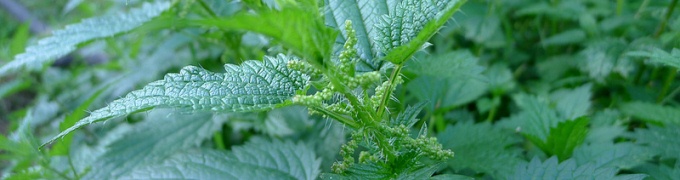
In the United States, Stinging Nettle (Urtica dioica) is considered a weed by many given the ease with which it grows.  Its funny name comes from the Latin verb urere, meaning “to burn,” because of its urticate (stinging) hairs that cover the stem and underside of the leaves.  So, while walking through a field of this plant is probably not a good idea, using it for its anti-allergic activity can be an effective way to manage seasonal allergy symptoms.  It has a nice amount of published research demonstrating positive benefit for a host of allergic and inflammatory conditions.

Stinging Nettle contains a set of compounds that act on the immune system to provide anti-inflammatory action and block histamine release.  Perhaps you are familiar with over-the-counter medicines called “anti-histamines”?  Well, Stinging Nettle works in a similar fashion, blocking the release of histamine compounds that alert our immune system and stimulate inflammation, redness and all those pesky symptoms those of us who are sensitive to pollen, etc. experience this time of year.

Because Stinging Nettle doesn’t contain caffeine, you can brew it as tea and exchange it for your water source throughout the day.  Here’s my recipe/plan:

  • Add 1tsp dried Stinging Nettle leaf to 16oz hot water.  Steep for 2-3 minutes.
  • Drink right away in the morning when I experience the most symptoms
  • Re-fill tea infuser with hot water and re-use same team leaves a couple more times throughout day (although most of the anti-histamine activity will come from the first steep, there is a mild benefit from re-using the leaves)
  • Continue as I feel like I need symptom relief throughout day

I order my bulk herbs online from Starwest Botanicals, but depending on where you live you may be able to find quality bulk herbs at your local grocery or health food store.  The key to buying dried herbs is to make sure they are quality and have been stored properly.  In the case of nettles, the leaves should be dark and smell slightly sweet.  Just like spices in your kitchen, you want them to have color and scent…that’s a sure sign they are still good.

With any treatment, you should always talk to a licensed health professional to make sure the products and medicines you are using are appropriate for you.

Like this post?

Image of Urtica dioica by John Tann

A Food Forest!

One of life’s simple pleasures has to be walking slowly through a beautiful forest, smelling the fresh air and greenery all around.  So just image how amazing the experience could be in a forest full of food!  This innovative project in the Beacon Hill neighborhood of Seattle, WA will create the nation’s first forest of edibles: seven acres of walnut and chestnut trees; blueberry and raspberry bushes; fruit trees, including apples and pears; exotics like pineapple, yuzu citrus, guava, persimmons, honeyberries, and lingonberries; herbs; and more.

Following the principle of permaculture, the plot will be carefully created in such a way that the soil, insects, and selection and location of plants will work in harmony with each other so that the land will be self-sustaining, similar to a natural forest.

Just imagine the possibilities for education if every city in our country had a food forest.  What a beautiful (and delicious) way to reconnect with real food and our planet.

The best part of this innovative project?  All fruit will be free and available for public plucking!

Like this post?

Image by sapienssolutions