
Although small in number, the factors most likely to evolve food labeling laws in 2014 and beyond are rapidly increasing tensions among the various stakeholders in the food industry. From unprecedented levels of litigation at the state level, to coordinated social media campaigns by special interest groups and a food movement built upon a foundation of increased transparency and simplicity, it seems a perfect storm may be brewing and, like it or not, government is going to have to move the evolution of food labeling laws up the priority list. Here are some of my predictions for what we can expect to see in 2014 and beyond…
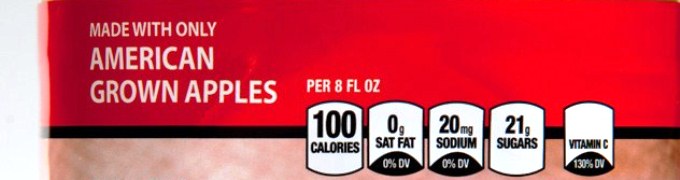
There are few housekeeping issues that are likely to be tidied up by government next year. After many years of waiting, a FDA proposed rule to evolve the Nutrition Facts panel is likely to be released and will address a range of simple improvements such as adjusting serving sizes, daily values and creating space for additional nutrient declarations. The Food Labeling Modernization Act has also been introduced to the House and, if passed, would establish a front of pack labeling system, require declaration of products containing caffeine and added sugar and institute a definition for natural. Given the range of issues covered in this Act, I (along with most other experts) have very little confidence that it will pass. Other minor improvements that I expect to see in 2014 include the removal of GRAS (generally recognized as safe) status from partially hydrogenated oils (which create trans fats) and an evolved whole grain content criteria statement.
I do not believe government will use 2014 to officially weigh in on some of the key issues fueling the current food movement, i.e. GMO and the definition of natural. Inaction on these issues means the debate will continue to take place through litigation and social media. Overall, government will continue their Band-Aid approach, tweaking current systems while standing on the sidelines of more fundamental issues.
Making predictions beyond 2014 is a bit trickier, but I have to believe that at some point the tension created from allowing issues to evolve on a state by state level and through increasingly more polarized special interest platforms will become so great that government will have no choice but to step into the fray. My bets for what this may look like include:
- A sweeping overhaul to current nutrition labels. Nutrition labels are given so much real estate on pack and have so much opportunity to communicate, they absolutely have the ability to work harder than they do currently to communicate on issues consumers want information about.
- A national labeling standard for GMO. Whether this will communicate a presence or absence is not as important as the fact that a national standard must be issued. Similar to the path for organic, starting with state by state standards, a national standard for GMO labeling is inevitable.
- A definition of natural. It is stunning that although “natural” has been one of the most used marketing terms in food for years, current guidance by FDA/USDA on this term is woefully lacking. Although the term natural and the issue of GMO are not one in the same, they often travel together in debate and as a result we may see clarification of natural simply due to action on GMO.
- Increased restrictions around structure/function claims. Versus continuing to allow the communication of both attributes and benefits, I see government evolving toward regulations seen in other developed countries in Europe and Canada where marketing communications are in large part restricted only to attributes. In many ways, this change alone would solve many of the issues fueling current litigation and confusion at the consumer level.
Like this post? Follow @KeeganSheridan
Image by Grocery Manufacturers Association